Why Buyers Are Interested in Dental Practice Sales La Jolla
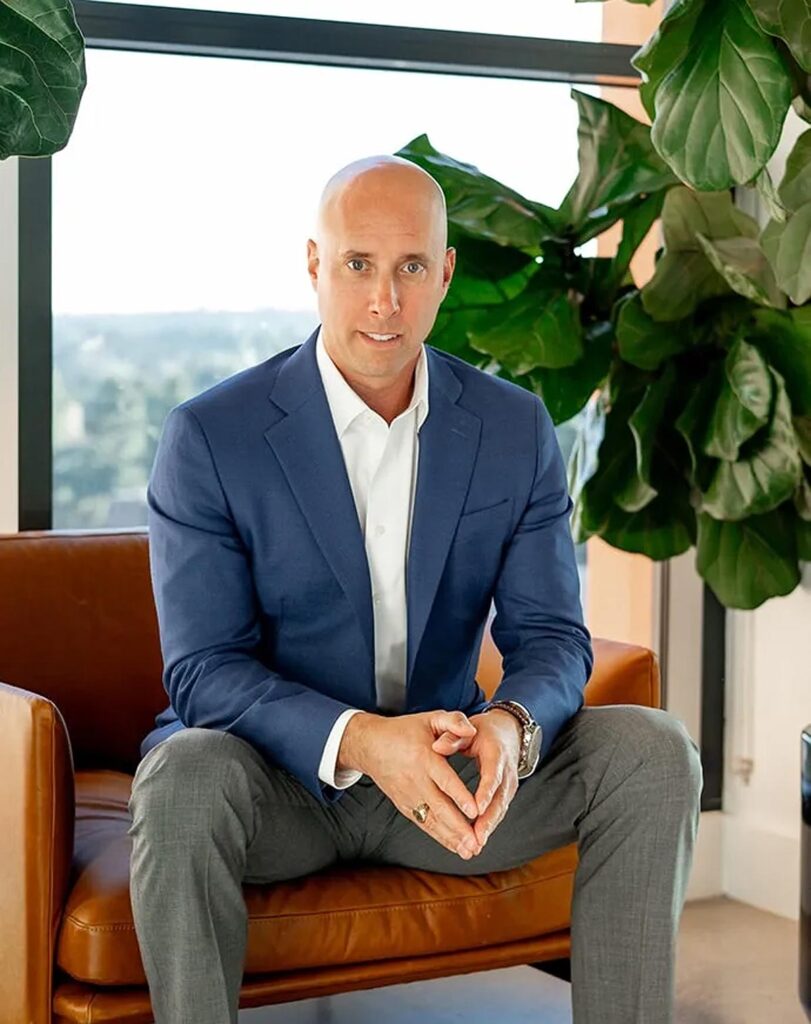

La Jolla attracts attention in almost every kind of professional real estate conversation, but dental buyers tend to look at it through a sharper lens. They are not simply admiring the zip code. They are looking at Dental Practice Sales La Jolla patient stability, payer mix, household income, referral density, lifestyle appeal for clinicians, and the long-term resale value of an asset that still depends heavily on trust and local reputation. When people search for Dental Practice Sales La Jolla, they are often responding to a market that combines strong demographics with a very particular style of practice ownership.
Buyers are interested for good reason. A well-positioned practice in La Jolla can offer something that is increasingly hard to find in many markets: a mature patient base with meaningful discretionary spending, a community that values healthcare relationships, and an environment where dentistry can support both bread-and-butter care and higher-value elective treatment. That does not mean every sale is easy or every listing is worth the asking price. In fact, the stronger the market, the more discipline a buyer needs. Still, demand remains high because the ingredients for durable practice value are unusually concentrated here.
La Jolla gives buyers more than a desirable address
A premium location matters in dentistry, but not in the simplistic way people sometimes assume. Buyers are not paying more merely because La Jolla is attractive or coastal. They are paying for the economic behavior that tends to come with that setting.
In many La Jolla neighborhoods, households have the means to pursue consistent preventive care, restorative treatment, cosmetic work, implant cases, and specialist referrals without the same degree of financial hesitation seen in more price-sensitive areas. That does not mean every patient says yes to treatment. Dentistry still requires communication, trust, and a credible plan. What changes is the ceiling. A practice in a high-income coastal market often has more room to diagnose comprehensively and actually see treatment accepted.
From a buyer’s perspective, that affects valuation in practical ways. A practice with stable hygiene reappointment, strong collections, and a healthy percentage of fee-for-service or out-of-network revenue can look much more attractive than a larger office in a lower-income area that survives on volume and discounting. Many experienced buyers would rather inherit a disciplined, relationship-based La Jolla office than chase production in a market where patient retention is fragile.
There is also a psychological layer. Patients in communities like La Jolla often place a premium on continuity, presentation, and service. They notice office design. They care how calls are answered. They respond to practices that feel organized and calm. For the right buyer, that is an opportunity. A capable doctor who values patient experience can often preserve the goodwill of the selling doctor while making operational improvements that increase profitability without damaging the culture.
The patient base tends to support long-term planning
One of the first things serious buyers ask in any acquisition is whether the patient base is deep or merely active on paper. In La Jolla, that question matters even more because seller expectations are usually high. Buyers want proof that patients are not only coming in, but also staying, referring, and moving forward with treatment.
Many La Jolla practices benefit from a mix that buyers find reassuring: long-standing local families, established professionals, retirees with resources, and patients who prioritize health maintenance. That tends to create steadier hygiene demand and a more predictable recall engine. A reliable hygiene program is often the backbone of a successful acquisition because it provides both revenue continuity and frequent opportunities to build doctor-patient trust after the transition.
A buyer reviewing Dental Practice Sales La Jolla opportunities will usually pay close attention to signs of genuine patient loyalty. Active patient count alone is not enough. If a practice reports 2,000 active patients but half have not been seen in more than eighteen months, the headline number loses weight. By contrast, a smaller office with consistently scheduled recall, low attrition, and strong case acceptance may command far more interest.
I have seen buyers walk away from practices with flashy production because the recall system was weak and the seller’s personal charisma had been carrying too much of the business. I have also seen modest-looking La Jolla offices attract multiple interested parties because the charts, schedules, and collections told a cleaner story. Buyers know that transition risk hides in the details.
Fee-for-service appeal remains a major draw
La Jolla’s reputation for fee-for-service and reduced insurance dependence is a powerful magnet. Not every practice in the area fits that profile, and buyers should be wary of broad assumptions. Even so, there is a clear reason many purchasers prefer markets where the office has more control over pricing and less exposure to reimbursement pressure.
A practice with a meaningful fee-for-service component often gives a new owner greater flexibility in treatment planning, staffing, materials, and scheduling. The math can be materially different. If two practices produce similar top-line revenue, but one relies heavily on discounted PPO reimbursements and the other has stronger private-pay collections, the second practice may offer better margins and less administrative drag.
That advantage is especially relevant today because staffing costs, supply costs, and patient communication demands have all increased. Buyers are acutely aware that collecting a high volume of low-margin dentistry can be exhausting. Many are looking for practices where the economics are healthier and the patient relationship is less transactional.
This is part of what makes Dental Practice Sales La Jolla so appealing to private buyers, associate-to-owner candidates, and some groups alike. The right office can offer not just revenue, but a more sustainable model of care. That has real value for a doctor who wants to own for ten or fifteen years without feeling trapped in a constant production race.
Lifestyle plays a larger role than many sellers realize
Dentists are not immune to quality-of-life decisions. In fact, they often weigh them heavily because clinical work is demanding and ownership amplifies that pressure. La Jolla has a built-in lifestyle advantage that can influence both first-time buyers and experienced owners considering a relocation.
A buyer may be comparing several opportunities with similar revenue. One is in a market with easier entry pricing but limited local amenities, longer commutes, and less recruiting appeal. Another is in La Jolla, where the cost of acquisition may be higher but the doctor can see a more attractive life taking shape, both professionally and personally. That difference matters.
It matters for recruitment too. Practices need hygienists, assistants, front office leaders, and associate doctors. Even when labor is tight, a desirable location can help. It does not solve compensation pressure or management problems, but it can make a practice more competitive when candidates have options. Buyers notice that. They are not just purchasing current cash flow. They are buying into a future operating environment.
This is especially true for younger dentists who want ownership but do not want to sacrifice where they live. A generation ago, many buyers were more willing to compromise on geography in exchange for a lower purchase price. That still happens, but there is a larger share of dentists today who prioritize environment, schools, spousal employment options, and daily quality of life. La Jolla checks those boxes for many households.
Specialty and comprehensive care can thrive in this market
General dental practices attract a lot of attention, but buyers also see La Jolla as a setting where specialty and comprehensive treatment models can perform well. Periodontics, prosthodontics, oral surgery, endodontics, pediatric dentistry, and high-end cosmetic or implant-focused practices often benefit from the same demographic and referral strengths that support general dentistry.
For general dentists, that can translate into case mix opportunity. A buyer may see room to expand services such as implant restoration, Invisalign, cosmetic bonding, veneers, sleep appliances, or same-day digital workflows. If the patient base already values aesthetics and convenience, the office may be primed for thoughtful growth.
That does not mean every practice should add every service. Buyers with discipline understand the danger of overestimating expansion potential. An office can look full of upside on a spreadsheet and still fail if the incoming doctor lacks the clinical training or communication style to earn patient trust. But when a buyer’s skill set matches the market, La Jolla can support a broader mix of treatment than many average suburban locations.
I have watched transitions where the selling doctor was conservative in scope, focused largely on restorative basics, and the incoming owner carefully expanded aligner cases and implant restoration over two years. Production rose, but more importantly, it rose without destabilizing the patient base. That is the kind of upside buyers search for.
Supply is limited, which keeps buyer interest high
One of the strongest drivers of attention is simple scarcity. Prime practice opportunities in La Jolla do not flood the market. Owners tend to hold attractive offices for a long time, and when they decide to sell, the opportunity often draws significant attention.
Scarcity has several effects. First, it keeps buyers watching the market closely, sometimes for months or longer. Second, it creates a premium around Dental Practice Sales La Jolla practices that have proven systems, a good lease, and a clear transition plan. Third, it can compress due diligence timelines because buyers know they may be competing.
That said, a limited supply does not justify loose underwriting. In fact, the opposite is true. When inventory is tight, emotion can creep in. Buyers start rationalizing weak metrics because they fear missing out on the location. That is where expensive mistakes happen. A practice can be in La Jolla and still have problematic overhead, an aging equipment base, poor new-patient conversion, or an unfavorable landlord relationship.
The best buyers stay disciplined on the fundamentals. They know scarcity is real, but so are bad deals.
Real estate dynamics add another layer of value
In some dental transactions, the real estate is almost an afterthought. In La Jolla, it often deserves much closer analysis. Lease terms, extension options, assignment language, rent escalators, common area charges, parking, signage rights, and landlord cooperation can materially affect a practice’s value.
A practice with a favorable long-term lease in a strong professional corridor can attract more serious offers than an otherwise similar office facing uncertain renewal terms. Buyers do not want to inherit a successful practice only to discover that relocation pressure is looming or the rent reset will squeeze margins.
If the seller also owns the condo or building and offers a real estate component, buyer interest can increase even further, although the pool of purchasers may narrow to those with the capital or financing capacity to buy both assets. For many dentists, controlling the real estate in a market like La Jolla has obvious appeal. It creates occupancy stability and allows them to participate in the long-term value of the location, not just the practice itself.
This is one reason experienced brokers and advisors spend so much time on lease review in Dental Practice Sales La Jolla transactions. The clinical and financial picture matters, but occupancy terms can either support the valuation or undermine it.
Buyers are drawn to practices with transition-friendly goodwill
A good La Jolla practice often has something that is hard to replicate from scratch: years of accumulated community trust. That goodwill matters more in dentistry than many other small businesses because patients are not just buying a service. They are choosing a clinician, a team, and a place where they expect continuity.
Buyers become especially interested when that goodwill appears transferable. A seller who has built a practice around systems, team consistency, and patient communication typically hands over a sturdier asset than one who has made every relationship revolve around personality alone. If the hygienists are trusted, the front desk is competent, and the office has a calm cadence, patients are more likely to stay through the ownership change.
Here is where judgment comes in. Some sellers assume their goodwill is fully transferable because they have loyal patients. Buyers and lenders know better. They want to see evidence. Are patients booked into the future? Is the hygiene schedule productive? Does the team plan to stay? Has the doctor introduced associates successfully before? Are there concentrated referral sources that could be vulnerable to a transition?
When those answers are favorable, buyer interest rises quickly.
What sophisticated buyers examine before making an offer
Even in a high-demand market, serious buyers tend to focus on the same core filters. The location gets them interested, but the numbers and systems determine whether they act.
- quality of earnings, not just gross collections
- patient retention and hygiene reappointment rates
- lease security and occupancy cost
- team stability, wage structure, and doctor dependence
- realistic clinical upside versus seller storytelling
Those points sound straightforward, but each one hides nuance. Quality of earnings means adjusting for one-time expenses, discretionary add-backs, deferred maintenance, and any production that may disappear after the seller exits. Patient retention means looking beyond software labels and checking whether active patients actually return on schedule. Team stability means more than years employed. A long-tenured team can still be fragile if compensation is misaligned or morale depends entirely on the selling doctor.
A buyer who understands this can move confidently in a competitive market without becoming reckless.
The economics still have to work
Some practices in La Jolla trade at valuations that reflect real strengths. Others are simply overpriced because the seller, or sometimes the advisor, assumes the brand name of the location is enough. Buyers remain interested in Dental Practice Sales La Jolla, but interest is not the same as blind acceptance.
Financing conditions, debt service coverage, and post-close cash flow all matter. A doctor may love the area, yet still pass if the purchase price leaves too little room for reinvestment or owner compensation. This is particularly relevant for first-time owners who need to preserve liquidity for working capital, equipment upgrades, and personal living expenses in a high-cost area.
The most successful acquisitions often come from buyers who model the transition conservatively. They assume some patient attrition. They budget for payroll increases. They account for technology upgrades. They do not count on immediate expansion in high-value procedures unless there is a clear reason to believe it will happen. If the deal still works under those assumptions, the practice becomes genuinely compelling.
Why sellers in La Jolla often attract a stronger pool of buyers
Buyers are interested because sellers in this market often bring to market practices with qualities that are increasingly rare. They may have low advertising dependency because referrals and reputation drive new patients. They may have well-maintained offices because the patient population expects a certain standard. They may have cleaner fee schedules and a stronger cosmetic mix than comparable offices elsewhere.
There is also a signaling effect. A buyer reviewing a practice in La Jolla may assume, not always correctly, that the patient base is more resilient and the treatment mix more favorable. That assumption gets the office more attention at the front end. The seller still needs to support the story, but the market grants a hearing.
For group buyers, La Jolla can also serve as a strategic foothold. A practice there may complement a broader regional footprint, enhance brand perception, or anchor a referral network. For an individual dentist, it may represent the chance to own in a community where starting de novo would be expensive, slow, and uncertain.
Those motivations differ, but they all increase the number of eyes on a good opportunity.
The catch, because there is always one
The same factors that attract buyers can create friction. Higher interest often means stiffer competition, firmer pricing, and less room to overlook diligence issues after the letter of intent is signed. Buyers can be seduced by aesthetics and demographics and miss operational problems that would be obvious in a less glamorous setting.
A few trouble spots come up repeatedly in desirable markets:
- sellers who price based on aspiration rather than adjusted cash flow
- leases that are shorter or more restrictive than expected
- outdated equipment hidden by tasteful interiors
- patient bases concentrated among older inactive charts
- transition plans that depend too much on the seller’s personality
None of those issues is unique to La Jolla, but the premium nature of the market can make them easier to ignore until it is too late. That is why the smartest buyers pair enthusiasm with rigor. They verify collections by provider. They examine procedure mix. They evaluate schedule utilization by day and by chair. They ask how many new patients are truly organic and how many came from one referral source or one insurance relationship.
A beautiful office in the right location can still disappoint if the business underneath is thinner than it appears.
Why interest is likely to remain strong
Barring a severe market disruption, buyer interest in Dental Practice Sales La Jolla is unlikely to disappear. The area continues to offer a combination that many dentists want and few markets can match: established affluence, strong healthcare orientation, limited inventory, and lifestyle appeal. Add in the possibility of fee-for-service positioning and specialty-friendly demographics, and it is easy to see why competition remains active.
The practices that generate the most enthusiasm are usually not the loudest listings. They are the ones with durable fundamentals, believable upside, and a transition path that protects patient trust. Buyers know the difference. They may be drawn in by the location, but they commit because the business can stand on its own merits.
That is the real reason La Jolla remains so attractive in the dental sales market. It offers buyers the chance to acquire not just a set of chairs and charts, but a practice with the ingredients for long-term professional stability. In dentistry, that is still one of the hardest things to find, and one of the easiest things to recognize when it is genuinely there.
Aesthetic Brokers
800 Silverado St #301A, La Jolla, CA 92037
(619) 742-0310
FAQ About Dental Practice Sales La Jolla
How much does an average dental practice sell for?
Sale prices vary with earnings, the mix of procedures, dependence on the owner, and deal terms. Comparable transactions and the practice’s own financial records can help put an asking price in context.
Is it hard to sell a dental practice?
The process typically involves preparing records, finding suitable buyers, reviewing offers, and planning for staff and patient continuity. The timeline depends on how ready the practice is and how the deal is structured.
How do I value a dental practice?
A valuation typically reviews revenue, adjusted earnings, and how much production depends on the selling dentist. It may also consider comparable sales and the terms buyers are likely to offer.